

“Should I change my rice, reduce it, or stop eating it?”
When you are trying to lose weight, even an ordinary lunch can become confusing. You want to improve your health, but you also need to know what to eat tomorrow.
A maintainable weight loss meal plan begins with better food choices, adjusts portions and carbohydrate intake to your needs, and includes follow-up.
At JK Lifestyle, the staged approach begins with improving carbohydrate quality. For suitable patients, a further reduction may follow under individual guidance. Understanding each stage helps you make changes with a clear purpose.
First, Understand Your Starting Point
Look at yesterday’s meals. How much rice did you serve? Were vegetables and protein included? What about sweet tea, biscuits and drinks between meals?
Also consider your health, medicines, budget and cooking arrangements.
A useful diet plan for weight loss should account for these details. Your starting point may differ from that of a family member, even when you share the same kitchen.
Stage One: Choose Better-Quality Carbohydrates

Begin by replacing some refined carbohydrate foods with options that retain more fibre and nutrients.
Whole-grain black rice, unpolished brown rice, quinoa and buckwheat can provide variety. Choose whole-grain buckwheat flour when using it for roti or other recipes.
Current habit | A practical first change |
Large portions of polished white rice | Try a measured portion of unpolished brown or whole-grain black rice |
Frequent refined-flour foods | Explore whole-grain alternatives, including suitable buckwheat-flour recipes |
Sugar in tea and sweetened drinks | Gradually move towards unsweetened drinks |
A plate dominated by rice | Make more room for vegetables and protein |
The aim is to improve food quality while reviewing quantity. Whole grains still contain carbohydrates; changing the grain does not make portions irrelevant. Guidance supports choosing carbohydrate foods rich in fibre and nutrients.
Build the Whole Meal Around That Change
Imagine your usual fish curry and rice.
Keep the fish. Add a generous serving of lau, bhindi or leafy greens. Serve your planned grain portion and measure the oil used in cooking.
Eggs, chicken, tofu and pulses can provide further options. Remember that pulses contain both protein and carbohydrates.
Your weight loss meal plan should leave room for adequate nourishment. Simply replacing white rice with black rice while overlooking drinks, cooking fats and repeated servings misses part of the picture.
When Should You Reduce Carbohydrates Further?
This decision should follow a review of your response, health and preferences.
Some people benefit from a lower-carbohydrate eating pattern for weight management or blood glucose control. Others can make progress with a different approach. The American Diabetes Association recognises several eating patterns and recommends individual selection.
There is no universal number of days after which everyone must remove grains. Before making a substantial reduction, agree on what will replace them and how your progress will be monitored.
Stage Two: What Does “Fat Adaptation” Mean?
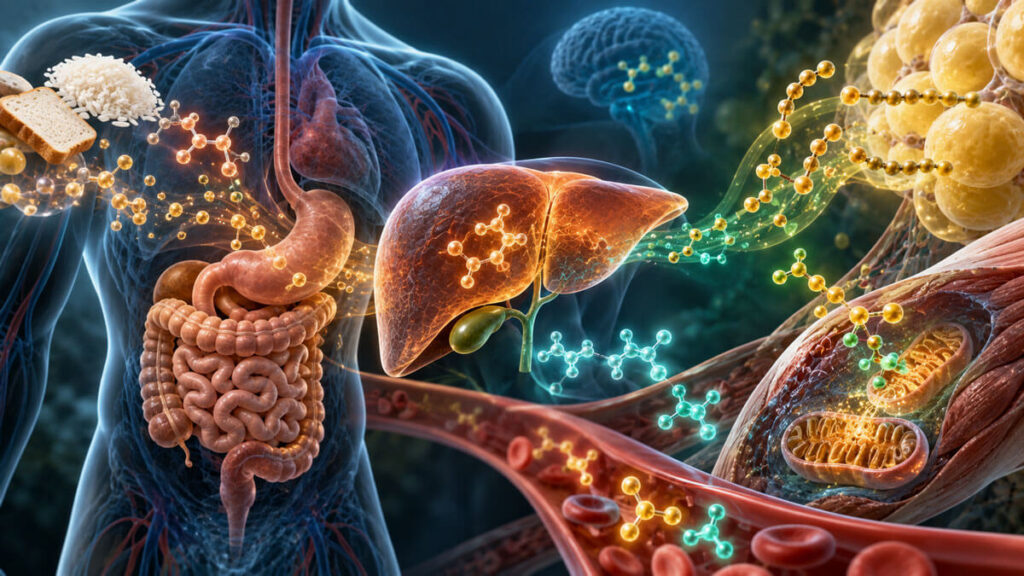
The term describes changes towards greater reliance on fat for fuel when carbohydrate availability is reduced. Your body already uses a mixture of fuels; it does not need to learn which dietary fats are “good”.
With sufficiently low carbohydrate intake, the liver may produce more ketones, leading to nutritional ketosis. This is related to, but not interchangeable with, fat adaptation.
Using more fat for energy also does not automatically mean losing more stored body fat. A controlled human feeding study found that an equal-calorie ketogenic diet did not increase body-fat loss compared with the preceding higher-carbohydrate diet. Overall intake still matters.
What Would Meals Look Like During This Phase?
Where individually advised, grain portions may be reduced further or temporarily omitted. Meals then emphasise non-starchy vegetables, suitable protein and appropriate amounts of fat.
These examples illustrate changes, rather than prescribing a complete daily intake:
Earlier-stage meal | Possible lower-carbohydrate adaptation |
Fish, vegetables and brown rice | Fish with a larger variety of non-starchy vegetables |
Egg and vegetable dish with roti | Egg and vegetable dish, with portions adjusted to nutritional needs |
Chicken, salad and quinoa | Chicken with salad and cooked non-starchy vegetables |
Vegetables still contain carbohydrates, so this is not literally “zero carbohydrate”.
Eat slowly and aim for comfortable satisfaction. Avoid forcing yourself to eat more or treating protein and oil as unlimited. If your appetite becomes so low that you struggle to eat adequately, tell your care team.
Choose Cooking Fats Thoughtfully
JK’s preferred cooking options include olive, mustard and coconut oils. These oils have different nutritional profiles.
Olive oil is rich in unsaturated fat. Use food-grade mustard oil suitable for cooking. Coconut oil contains substantial saturated fat, so its amount deserves attention.
WHO recommends favouring unsaturated fats over saturated fats. It includes soybean and sunflower oils among unsaturated sources; evidence does not justify calling them inherently harmful. Palm and coconut oils are both sources of saturated fat.
For your weight loss meal plan, measure cooking fats and consider the whole meal. Adding more oil does not guarantee greater fat loss.
Monitor Your Response and Build a Lasting Routine
Review your energy, hunger, bowel habits and weight trend. Your clinician may also monitor glucose, blood pressure and cholesterol.
Substantial carbohydrate reduction needs particular care with diabetes medicines. Insulin and some tablets can cause low blood sugar; very-low-carbohydrate eating can increase ketoacidosis risk with SGLT2 medicines. Arrange a medication review before starting, and never adjust treatment yourself.
Pregnancy, kidney disease or a history of eating disorders also calls for tailored advice.
As your plan develops, discuss a sustainable carbohydrate intake. Prepare easy meals for late workdays and alternatives for eating outside. At JK Lifestyle, food is considered alongside exercise, sleep, mental peace and individually suitable fasting.
Five Questions About
Your Weight Loss Meal Plan
Health Revolution Ltd. is an integrated lifestyle healthcare center in Bangladesh that focuses on preventing and reversing lifestyle diseases through doctor-guided lifestyle medicine, diagnostics, nutrition, and long-term habit change.
No. The degree of restriction depends on your needs and response. A diet plan for weight loss can include suitable portions of carbohydrate foods.
No. Appetite changes alone cannot confirm how your body is using fuel or whether the plan meets your needs.
No. Adequate nourishment, comfortable satisfaction and appropriate quantities remain important.
Arrange follow-up from the beginning. Seek earlier advice if you feel persistently weak, dizzy or unwell, or cannot eat adequately.
Begin With a Change You Understand
Start your weight loss meal plan by reviewing one familiar meal. Understand what you are changing, why it matters and what comes next.
For help adapting the stages to your health, bring your reports, medicine list and everyday routine to the JK Lifestyle team.
