
Hormonal & Reproductive Health
Home – Hormonal & Reproductive Health
“Hormonal Imbalance”
Is Not One Diagnosis
Irregular periods, weight changes, acne, unwanted hair growth, fatigue, mood changes, or difficulty conceiving can all feel hormonal—but they do not automatically point to the same problem.
At Health Revolution, the first step is not guessing which hormone is “out of balance.” A doctor reviews the pattern of symptoms, menstrual history where relevant, medications, existing reports, metabolic health, and other clinical information before deciding what needs further assessment.
You May Be Here Because…
Your periods have become irregular, very heavy, or unusually painful.
You have been diagnosed with PCOS or have symptoms that make you wonder about it.
Weight gain is happening alongside acne, excess facial or body hair, or menstrual changes.
You feel unusually tired, your weight has changed, or a thyroid report has come back abnormal.
You are trying to conceive and irregular cycles or another health concern may be making the process more difficult.
Or perhaps you have been told that your “hormones are imbalanced” but still do not know which condition is being discussed or what should happen next.
That uncertainty is exactly why assessment matters.
Talk to us
Speak directly with our Customer care to schedule your appointment.
8.00AM to 9.00PM
09678242404
Hormonal & Reproductive Concerns We Commonly Assess
PCOS (Polycystic Ovary Syndrome)
Polycystic ovary syndrome can involve irregular or absent periods, androgen-related symptoms such as excess hair growth or acne, problems with ovulation, and metabolic concerns such as insulin resistance. Not every person with PCOS has the same combination of symptoms.
Irregular or Absent Periods
A menstrual cycle can change for different reasons, including pregnancy, weight changes, stress, thyroid problems, PCOS, medications, and other health conditions.
The useful question is not simply
“How do we make the period regular?”
It is:
“Why has the pattern changed?”
Heavy or Painful Periods
Heavy or painful bleeding can have several possible explanations. Problems with ovulation, fibroids, polyps, adenomyosis, thyroid conditions, and other factors may need to be considered depending on the individual.
Thyroid-Related Concerns
Thyroid disorders can affect much more than body weight. Hypothyroidism, for example, may be associated with fatigue, weight gain, constipation, low mood, and heavy or irregular periods. Symptoms alone are not enough to diagnose a thyroid condition, which is why appropriate blood testing matters.
Fertility-Related Concerns
Difficulty conceiving can have many possible causes. Ovulation problems, PCOS, thyroid conditions, age, reproductive anatomy, and male factors may all be relevant. Fertility evaluation should therefore not begin with the assumption that one hormone—or one partner—is responsible.
Weight, Energy & Mood Changes
Weight gain, fatigue, low mood, and low energy can occur with hormonal conditions—but they are also common symptoms of many other health problems.
That is why we do not treat these symptoms as proof of a hormone disorder by themselves.

services
Before We Order Hormone Tests, We Look at the Pattern
A laboratory panel can provide useful information.
But it makes much more sense when the doctor already knows:
when the symptoms began
whether menstrual cycles have changed
whether pregnancy is possible
what medicines or hormonal contraceptives you use
whether weight has changed
whether there are acne or excess-hair symptoms
whether you are trying to conceive
what previous thyroid, glucose, or hormone reports show
How Health Revolution Approaches Hormonal & Reproductive Care
Our hormonal and reproductive health service is designed to be natural, sustainable, and personalized, suitable for long-term recovery.

01 — Start With What Has Changed
The doctor reviews your symptoms, menstrual and reproductive history where relevant, previous diagnoses, medicines, lifestyle, and existing reports.

02 — Decide Which Questions Need Answers
Not every symptom requires a large hormone panel.
Depending on the concern, the doctor may recommend relevant thyroid, metabolic, reproductive, or other laboratory testing—or decide that another type of evaluation would be more useful.

03 — Read the Results With the Symptoms
A thyroid value, glucose result, or hormone level should not automatically become a diagnosis on its own.
The findings are considered alongside the clinical picture before the next step is decided.

04 — Build Care Around the Actual Condition
The plan may involve medical treatment, nutrition, physical activity, weight management, sleep, or other lifestyle changes depending on what has been identified.

05 — Refer When Another Specialist Is Needed
Some reproductive, gynecological, endocrine, or fertility concerns need specialist evaluation or treatment beyond routine lifestyle-focused care.
Responsible care includes recognizing when that is the better next step.
PCOS Is More Than a Period Problem
PCOS can affect menstrual cycles, ovulation, skin and hair symptoms, metabolic health, and fertility.
It is also one of the most common causes of female infertility, and insulin resistance is common among people with PCOS.
That is why someone with PCOS may need more than advice to “lose weight” or “fix the hormones.”
The doctor may need to consider the cycle pattern, symptoms, metabolic health, reproductive goals, and existing treatment together before deciding what deserves attention.

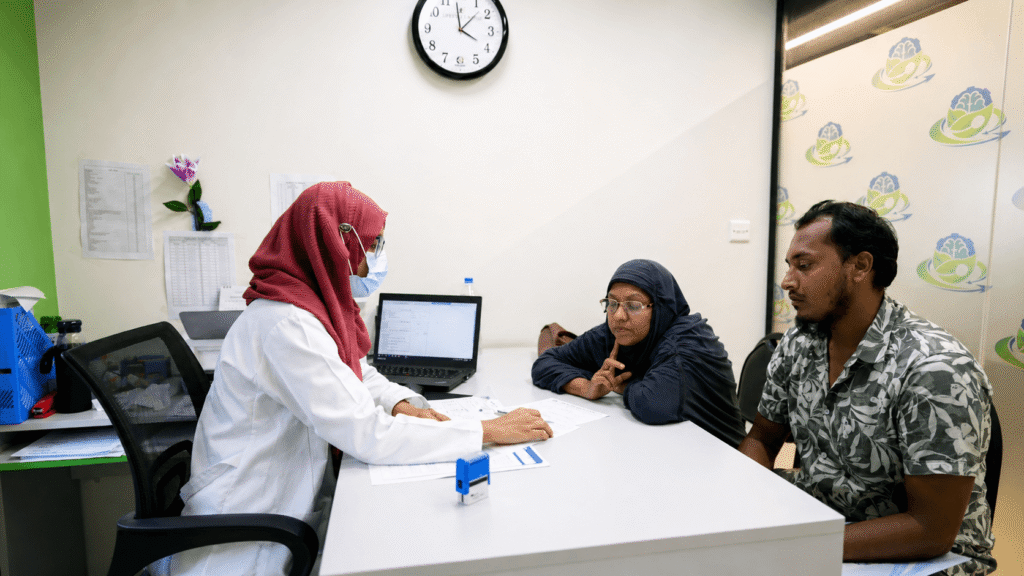
Fertility Concerns Need a Wider View
When pregnancy is taking longer than expected, it is easy for all attention to fall on one hormone report.
But fertility depends on several steps—and either partner may contribute to the difficulty.
For some people, irregular ovulation or PCOS may be relevant. For others, thyroid health, reproductive anatomy, age, male factors, or another issue may need investigation.
Health Revolution can help with initial assessment and relevant lifestyle or metabolic concerns within its scope.
When dedicated fertility evaluation is needed, referral to the appropriate reproductive specialist should come first.
What Makes the Health Revolution Approach Different?
We could simply call the care “personalized.”
Here is what that should actually mean:
We Ask About the Cycle Before Assuming It Is “Hormonal”
A changed menstrual pattern is a clue—not a diagnosis.
We Check Medicines Before Blaming Metabolism
Hormonal contraception, thyroid treatment, and other medicines can affect symptoms and test interpretation.
Fertility Is Not Automatically Treated as a Woman-Only Problem
Both partners can contribute to infertility, and specialist evaluation may be necessary.
Thyroid-Related Concerns
Thyroid disorders can affect much more than body weight. Hypothyroidism, for example, may be associated with fatigue, weight gain, constipation, low mood, and heavy or irregular periods. Symptoms alone are not enough to diagnose a thyroid condition, which is why appropriate blood testing matters.
Lifestyle Support Comes After the Clinical Question
Food, movement, weight, sleep, and stress are addressed because they are relevant to the identified concern—not because every hormonal symptom receives the same lifestyle plan.
When You Should Seek Prompt Medical Care
Do not wait for a routine lifestyle consultation if symptoms are severe or rapidly worsening.
Very heavy bleeding, fainting or significant dizziness, severe sudden pelvic pain, or urgent symptoms related to pregnancy should receive appropriate medical assessment.

You Do Not Need to Know Which Hormone Is the Problem
Maybe your cycle has changed.
Maybe the weight gain, acne, fatigue, or hair growth does not make sense.
Maybe you have been trying to conceive and do not know where to start.
Bring the symptoms, previous reports, medications, and questions you already have.
The first step is working out which question actually needs answering.
Frequently Asked Questions
Health Revolution provides assessment within its clinical scope for concerns such as PCOS, irregular menstrual cycles, thyroid-related symptoms, weight and metabolic concerns associated with hormonal conditions, and selected fertility-related concerns.
No. Irregular periods can occur for several reasons, including pregnancy, PCOS, thyroid conditions, weight changes, stress, medications, and other health factors. The cause needs to be assessed rather than assumed.
Not necessarily. Bring any tests you already have. The doctor can review your symptoms and history first and decide which additional investigations, if any, would actually be useful.
PCOS-related menstrual, metabolic, and lifestyle concerns can be assessed within Health Revolution’s scope. The appropriate medical care depends on the individual symptoms, health risks, and reproductive goals.
Health Revolution can assess relevant hormonal, metabolic, and lifestyle factors within its clinical scope. Infertility can involve many different causes and either partner, so dedicated fertility evaluation by a reproductive specialist may be appropriate when needed.