
Weight & Musculoskeletal Issues
Home – Weight & Musculoskeletal Issues
Weight and Pain Can Be Connected. But One Does Not Explain the Other.
Weight can make movement harder. Pain can make exercise harder. And when both happen together, it is easy to assume one must be causing the other.
Sometimes they are connected. Sometimes they are not.
At Health Revolution, we begin by understanding what is making everyday life difficult for you—weight, pain, weakness, stiffness, reduced mobility, or a combination of several concerns—before deciding what kind of support makes sense.
What Brought You Here?
My Main Concern Is Weight
You may be dealing with:
- weight that keeps increasing;
- repeated dieting without lasting results;
- obesity alongside diabetes, fatty liver, PCOS, or other metabolic concerns;
- difficulty exercising because of your current weight or physical condition;
- or questions about why weight management has become so difficult.
The useful question is not simply:
“Why can’t I lose weight?”
It is:
“What factors may be making weight difficult to manage in my case?”
Weight can make movement harder. Pain can make exercise harder. And when both happen together, it is easy to assume one must be causing the other.
Sometimes they are connected. Sometimes they are not.
At Health Revolution, we begin by understanding what is making everyday life difficult for you—weight, pain, weakness, stiffness, reduced mobility, or a combination of several concerns—before deciding what kind of support makes sense.
My Main Concern Is Pain or Movement
You may be experiencing:
- recurring knee, hip, back, or neck pain;
- joint stiffness;
- reduced flexibility or mobility;
- muscle weakness;
- difficulty walking, climbing stairs, exercising, or performing normal daily activities;
- or an existing musculoskeletal diagnosis that is affecting how you move.
If both paths sound familiar, that is important information too.
Talk to us
Speak directly with our Customer care to schedule your appointment.
8.00AM to 9.00PM
09678242404
Weight, Joint & Mobility
Concerns We Commonly Assess
Weight-Related
Health Concerns
Weight can be influenced by eating habits, activity, sleep, medications, hormonal or metabolic conditions, health history, and other individual factors. That is why weight-management care should begin with more than a calorie target.
Knee, Hip &
Other Joint Pain
Joint pain can have different causes. Body weight may be relevant in some cases, but previous injury, arthritis, physical strain, age, and other health conditions may also matter.
Back Neck Pain
Recurring back or neck pain deserves its own assessment rather than automatically being blamed on posture, weight, or inactivity.
Osteoarthritis-Related
Pain & Stiffness
When arthritis has already been diagnosed—or is clinically suspected—the plan may need to consider pain, mobility, strength, body weight, physical activity, and existing treatment together.
Muscle Weakness
Loss of Strength
Weakness can affect balance, movement, exercise tolerance, and independence. The first step is understanding whether the problem is mainly deconditioning or whether something else needs attention.
Weight-Related
Health Concerns
Weight can be influenced by eating habits, activity, sleep, medications, hormonal or metabolic conditions, health history, and other individual factors. That is why weight-management care should begin with more than a calorie target.
services
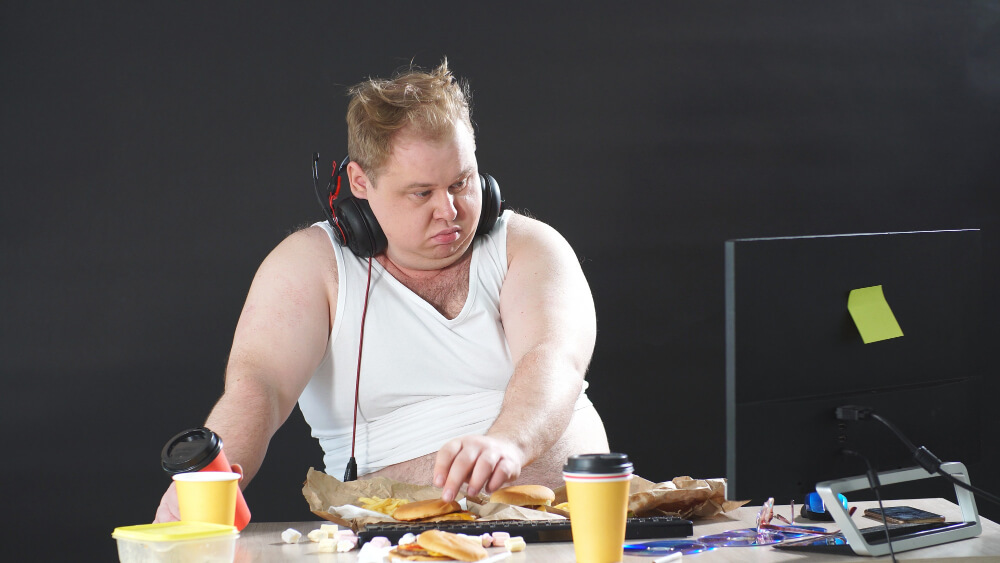
Sometimes Weight Makes Movement Harder.
Sometimes Pain Makes Weight Harder.
This cycle is common:
Movement hurts → you move less → strength and fitness decline → weight becomes harder to manage → everyday movement feels even more difficult.
But the answer is not simply:
“Exercise more.”
If movement already hurts, the plan has to begin with what you can safely and realistically do now.
Likewise, if weight has been difficult to manage for years, telling someone to “eat less” does not explain what may be affecting their progress.
That is where proper assessment becomes useful.
How Health Revolution Approaches Weight & Musculoskeletal Care

01 — Start With What Is Limiting You
The doctor reviews your main concern, symptoms, medical history, current medications, existing diagnoses, previous injuries, metabolic health, and what you can currently do comfortably.

02 — Decide What Needs More Attention
Some concerns may require laboratory assessment, imaging, rehabilitation, or input from another specialist.
Not every case of pain should be solved with a gym routine, and not every weight concern should begin with the same diet.

03 — Build the Plan Around the Actual Problem
If weight management is the main issue, nutrition, movement, sleep, metabolic health, and other relevant factors may become part of the plan.
If pain, stiffness, weakness, or mobility is the main issue, the focus may be different.

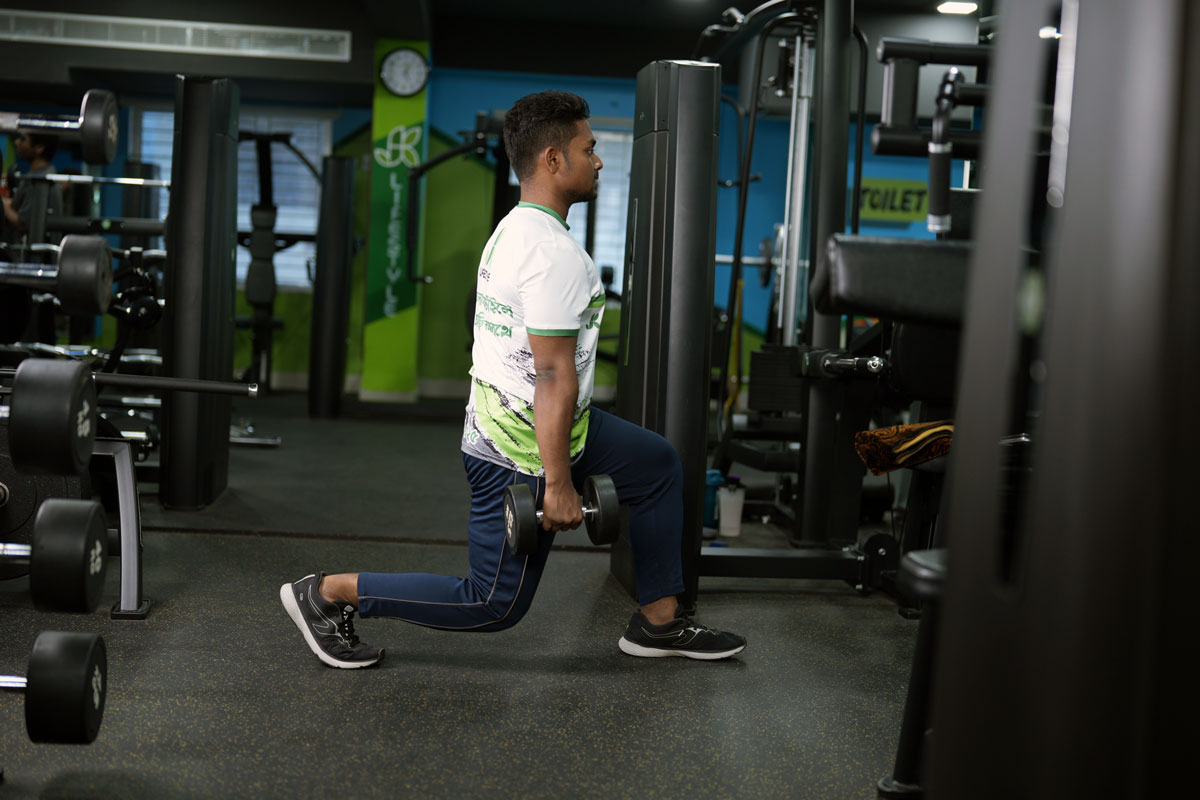
04 — Start Movement From Your Current Ability
When exercise is appropriate, the starting point should match what your body can currently tolerate.
A person with knee pain should not automatically receive the same exercise plan as someone whose main concern is general weakness or weight management.
05 — Review What Is Actually Improving
Progress can mean more than losing kilograms.
Can you walk more comfortably?
Are stairs becoming easier?
Can you exercise for longer?
Has your strength improved?
Is everyday movement less difficult?
Those changes matter too.
Our Workshops
We could call the care “personalized.”
Here is what that should actually look like:
We Do Not Blame Every Weight Problem on Willpower
We Do Not Blame Every Painful Joint on Weight
Exercise Starts From What You Can Do Now
Progress Includes Function
We Know When Another Type of Care Is Needed
Progress Is More Than What the Scale Says
Body weight can be an important health measure, but it is not the only one.
Depending on the person, progress may also include:
- improved mobility;
- better strength;
- greater exercise tolerance;
- easier daily movement;
- healthier metabolic markers;
- reduced waist measurement;
- or being able to return to activities that had become difficult.
The goal should be to improve health and function, not simply chase a smaller number.


When Pain Needs More Than Lifestyle Support
Health Revolution focuses on non-emergency, lifestyle-related care.
Pain following a serious injury, rapidly increasing weakness or numbness, major loss of movement, severe unexplained pain, or other concerning symptoms may require more urgent or specialist assessment.
If orthopaedic, rheumatology, neurological, rehabilitation, or other specialist care is more appropriate, that should take priority.
Frequently Asked Questions
Health Revolution provides non-emergency care within its clinical scope for weight-related health concerns, joint pain and stiffness, recurring back or neck pain, reduced mobility, muscle weakness, and related lifestyle or metabolic factors.
It can contribute to increased load on weight-bearing joints in some people, but joint pain can have many other causes. Weight should not automatically be assumed to be the explanation.
Weight can be influenced by several factors, including food habits, physical activity, sleep, medications, metabolic or hormonal conditions, health history, and individual circumstances.
That depends on the cause and severity of the problem. Appropriate movement can be helpful for many people, but the type and intensity should match your current health and physical ability.
Not necessarily. Bring any existing laboratory reports, imaging, prescriptions, or previous diagnoses you already have. The doctor can decide whether further assessment is useful.
Got Anymore Questions?